
The Ultimate Steel Stud Size Showdown: A Framer's Guide to Picking the Perfect Fit
Hey framers, ever found yourself staring at a stack of steel studs, feeling like you're in some wild west showdown trying to pick the right gauge and size? Don't worry, you're not alone. Choosing the right steel stud sizes is like wielding the right tool for the job – it makes all the difference. In this blog post, we'll break down the must-know steel stud sizes, their uses, and how to choose the right one like a pro.
Decoding Steel Stud Sizes: What Do Those Numbers Mean?
Steel stud sizes are a code you need to crack:
Web Depth: This is the main width of the stud (e.g., 2-1/2", 3-5/8", 6"). Larger depths mean a stronger, more rigid stud.
Flange Width: The tabs on the side of the stud (e.g., 1-1/4", 1-5/8"). Wider flanges offer more screw-holding power.
Gauge: Represents the thickness of the steel. Lower gauges are thicker and stronger (e.g., 25 gauge vs. 20 gauge).
The Steel Stud Size Smackdown
Let's look at the most common steel stud sizes and where they shine:
The Lightweight Champ: 25 Gauge Studs – Perfect for non-load-bearing walls and where every inch counts.
The Everyday Hero: 20 Gauge Studs – A great balance of strength and affordability for most interior framing jobs.
The Heavy Hitter: 16 and 18 Gauge Studs – Load-bearing brutes for exterior walls, taller structures, and demanding jobs.
The Specialty Squad: 1-5/8", 4", 6"+ Studs – Unique depths for specific tasks like accommodating thicker insulation.
Choosing Your Steel Stud Weapon
Factors to consider when sizing up your studs:
Load-bearing vs. Non-load-bearing Walls: Heavier loads need heavier studs.
Wall Height: Taller walls demand sturdier studs to prevent buckling.
Spacing: Wider stud spacing might necessitate a thicker gauge.
Building Codes: Your local regulations have the final say!
Pro Tips:
Don't skimp on exterior walls. Undersizing leads to long-term problems.
Match your track to your studs. Mismatches are a disaster.
When in doubt, overbuild slightly. A little extra strength is always a win.
Master the Steel Stud Size Game
Remember, choosing the right steel stud size is the foundation of a strong, sturdy, and hassle-free framing job. With this guide in your tool belt, you'll pick the perfect stud every time. Now, get out there and frame like a pro!
Steel Stud Surgery: The Best Tools for Clean Cuts
As a framer, you know that cutting steel studs and track is a regular part of the game. But picking the right tool can mean the difference between a clean, efficient job and a frustrating mess. Let's dive into the best ways to slice through those metal members like a pro.
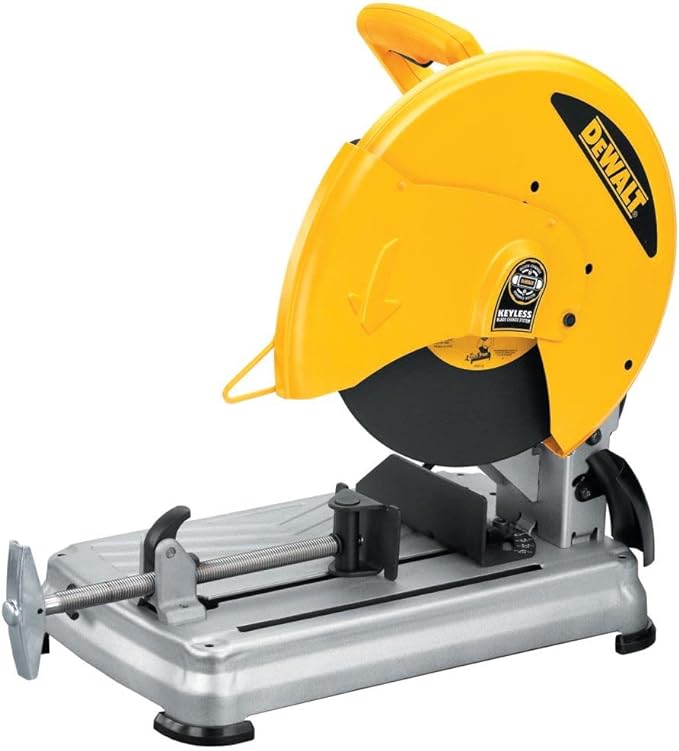
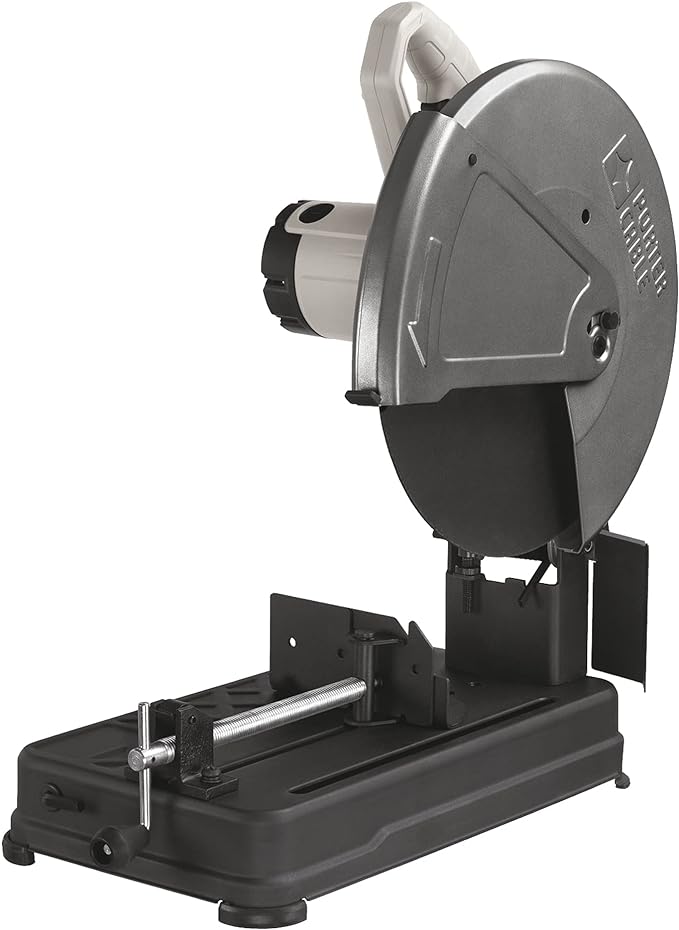
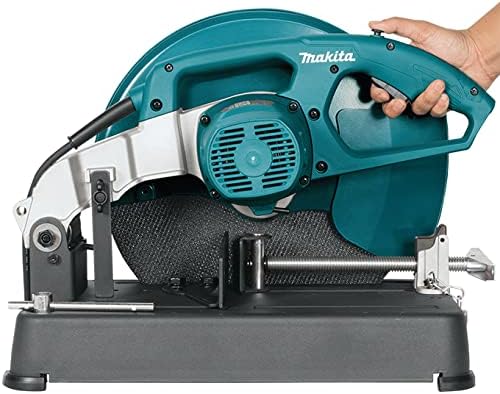
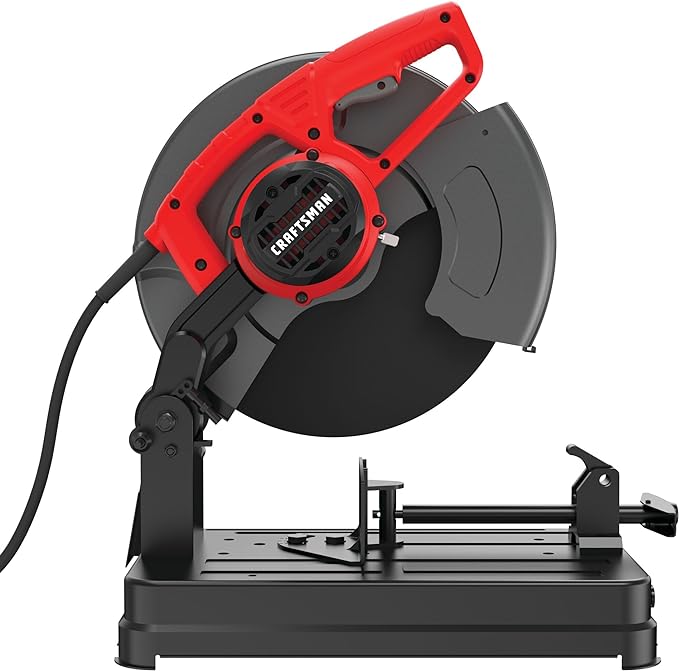
The Chop Saw Champion
What is it? A powerful saw with an abrasive metal-cutting blade.
Pros: Fast, cuts through heavy-gauge studs
Cons: Messy (sparks and hot metal chips), noisy, requires safety gear
Best for: Large jobs, rapid cutting of multiple studs
The Nibbler Option
What is it? Shears with a specialized head for cutting sheet metal.
Pros: Cleaner cuts, less noise, cuts curves
Cons: Slower for straight cuts, limited to thinner gauges
Best for: Smaller jobs, intricate cuts, noise-sensitive areas
The Sawzall Savior
What is it? A reciprocating saw with a metal-cutting blade.
Pros: Versatile, cuts other materials too, good for tight spaces
Cons: Slower than a chop saw, blade wear on thicker studs
Best for: Quick cuts, varied jobsites, demolition
Hand Tool Heroes
Aviation Snips: Designed to cut sheet metal, good for light-gauge track, and trimming ends.
Hacksaw: The old-school standby. Slow but works in a pinch for occasional cuts.
Pro Tips for Cutting Steel Studs and Track
Safety First: Always wear eye protection and gloves when cutting metal. Ear protection is a must with power tools.
Cut on a Stable Surface: A sawhorse or workbench prevents the metal from moving and causing a jagged cut.
Let the Tool do the Work: Don't force the cut; let the saw's speed do its job.
Cool Down: Cut metal might be hot to the touch!
Bonus: The Not-Really-for-Cutting-but-Super-Useful Option
Impact Driver with Sheet Metal Screw Attachment: While not ideal for primary cutting, it's fantastic for quickly attaching track to studs using specialized screws.
Choosing Your Cutting Weapon
The best tool for cutting steel studs and track depends on your project's size, the types of cuts you need, and your work environment. If you're framing a whole house, a chop saw is the speed king. For smaller jobs or noise-sensitive areas, nibblers or aviation snips might be a better fit.
And the winner is...
Ultimately, the best framer has multiple tools at their disposal! Now, get out there and cut those studs with precision!
Would you like me to include a section about which blade types are best for different metal cutting tools?

HEY, I’M CHAINKNEE...
Steven Cheney spent 10 years wrangling steel studs in the union like a champ. Now, he uses his knowledge to dominate the affiliate marketing game, proving you can have a brain and know which end of the drill goes where.
When he's not creating awesome content to help you build like a boss, Steven enjoys confusing his motorcycle with a mechanical fish (loud noises ensue) and attempting to wrestle trophy trout out of local rivers (fish usually win, but hey, gotta try!).
The point is,
Steven isn't just some keyboard warrior - he spent a decade in the trenches, framing like a pro.
He took his construction knowledge and built a sweet affiliate marketing side hustle (because who doesn't love options?).
He gets your world - construction workers who want to up their steel stud framing game.
So, if you're a fellow builder looking to become a steel stud framing sensei, Steven Cheney is your guy. Follow him and learn from the best (who also may or may not confuse his tools sometimes, but hey, that's all part of the learning process, right?)


JOIN MY MAILING LIST
Created with © systeme.io