
The Ultimate Guide to Stud Finders: Find Your Wall's Hidden Support
Steel Stud Finders
Whether you're a seasoned DIY enthusiast or a home improvement novice, there comes a time when you need to hang something heavy on your wall. Pictures, shelves, even a hefty TV – they all need a sturdy anchor point. That's where the humble stud finder comes to the rescue. This guide will help you understand how they work, the different types available, and how to choose the best stud finder for your needs.
What is a Stud Finder?
A stud finder is a handheld device designed to locate the wooden framing members (studs) hidden behind your walls. These studs provide the essential support for hanging anything with significant weight. Trying to mount a shelf or TV directly onto drywall is a recipe for disaster – it'll simply rip out of the wall.
Why You Need a Stud Finder
Safety: Ensures that heavy objects are securely mounted, preventing them from crashing down.
Accuracy: Avoids wasted time and frustration from drilling unnecessary holes in your wall.
Damage Prevention: Prevents accidental drilling into electrical wires or plumbing that might be hidden within the walls.
How Do Stud Finders Work?
There are two main types of stud finders:
Magnetic Stud Finders:These basic tools use a magnet to detect the metal fasteners (nails or screws) used to secure drywall to the studs. Pros: Simple, affordable, and no batteries required. Cons: Less reliable, especially on walls with thicker layers of drywall or plaster.
Electronic Stud Finders: These utilize various technologies to sense changes in the density of your wall:Capacitive: Detect variations in the wall's dielectric constant, which change in the presence of a stud.
Radar: Emit low-power radar waves to penetrate the wall and locate denser materials like studs. Pros: More accurate and versatile than magnetic stud finders. Cons: Typically more expensive and require batteries.
Features to Consider When Choosing a Stud Finder
Detection Depth: How deep into the wall can the stud finder reliably detect studs (important with thicker walls).
Center Finding: Does it simply indicate the presence of a stud, or does it pinpoint the center (crucial for accuracy).
Edge Finding: Helps determine the beginning and end of a stud for accurate placement of larger objects.
Live Wire Detection: Vital safety feature that warns you about the presence of electrical wiring.
Metal Detection: Useful for locating pipes or other metallic objects hidden in your walls.
Display: Simple LEDs vs. more informative digital screens showing stud location and other data.
How to Use a Stud Finder
Calibrate (Electronic Only): Follow the manufacturer's instructions for calibrating your device on a stud-free section of the wall.
Place and Move: Place the stud finder flat against the wall and slowly slide it horizontally.
Interpret Signals: The device will indicate (lights, beeps, or display) when it detects a stud.
Mark the Spot: Immediately mark the center of the stud with a pencil.
Double-Check: Move the stud finder slightly up or down along the same line to confirm the stud location.
Pro-Tips for Stud Finder Success
Multiple Passes: Scan the same area from a few different starting points to ensure accuracy.
Trust but Verify: Even with the best stud finder, it's wise to drill a small pilot hole first before mounting heavy objects.
Know Your Walls: Understand the construction of your walls (drywall thickness, stud spacing) for better interpretation of results.
Dealing with Obstacles: Tile, thick wallpaper, or textured walls can reduce stud finder accuracy. Experiment for best results.
Best Stud Finders for Different Needs
Best Budget Option: A simple magnetic stud finder is sufficient for occasional, basic DIY tasks.
Best for Beginners: Choose an electronic stud finder with center-finding capability and a clear display.
Best for Advanced Users: Look for a stud finder with deep scanning, live wire detection, and other advanced features.
Best for Professionals: Invest in a high-quality, multi-function stud finder with radar technology for maximum accuracy and versatility.
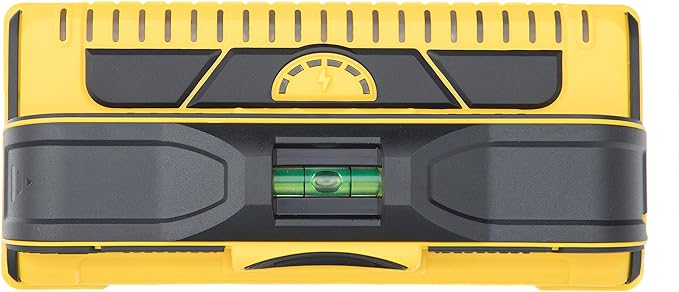
Franklin Sensors ProSensor M210
Stud Finder with 13-Sensors, Wood & Metal Stud Detector/Wall Scanner, Live Wire Detection
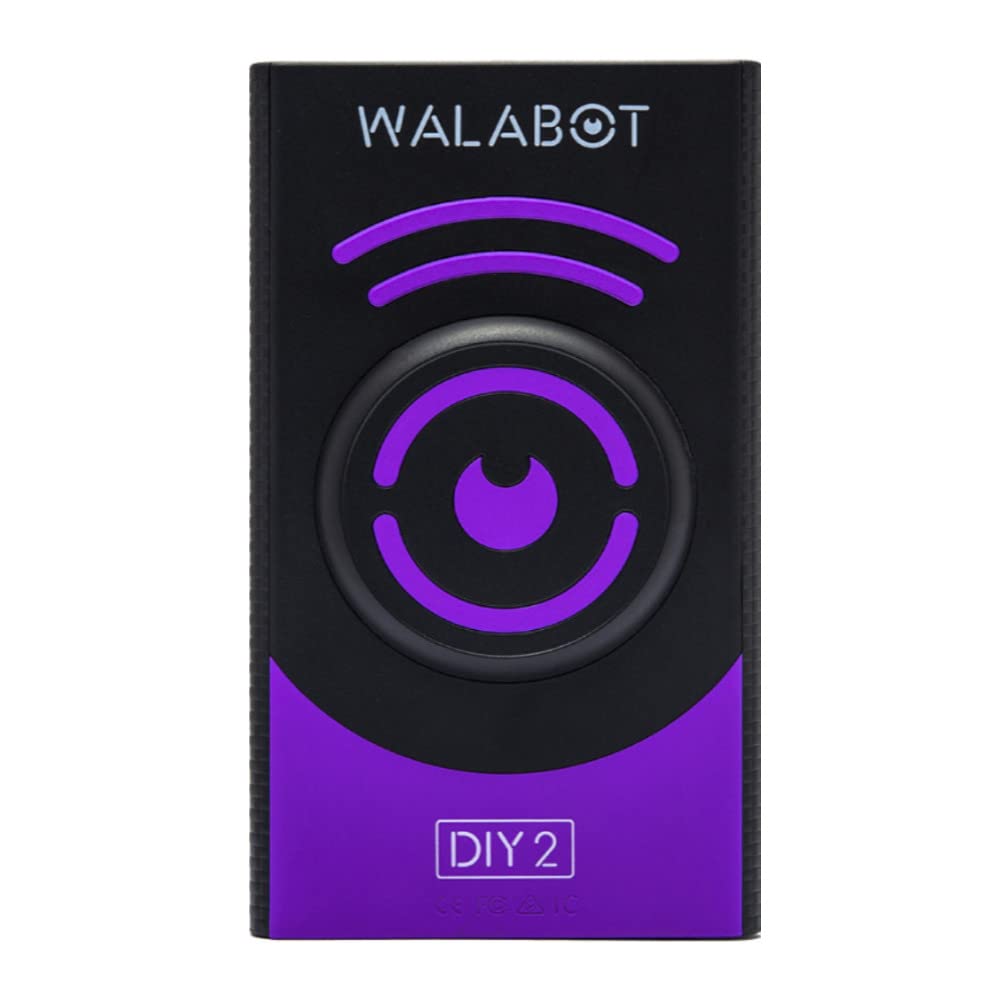
WALABOT DIY 2 -
Advanced Stud Finder and Wall Scanner for Android & iOS Smartphones

Tyrry 5 in 1 Stud Finder
Wall Scanner Rechargeable with 9 Sensors for Precise Center and Edge of AC Wire Magnetic Metal Joist Wood Pipe Detection, HD Color Display Position & Depth, Audio Light Alarm

FNIRSI Stud Finder Wall Scanner - 6 in 1
Electronic Wall Wood Metal Stud Finder, Wall Detector with Updated Positioning Hole for Center and Edge of Wood AC Wire Metal Studs Joist Pipe
As a DIY enthusiast, I'm always battling the unseen forces behind those innocent-looking walls. Hanging pictures turns into a nail-biting gamble, and heavier projects are a no-go zone. That's why I was excited to get my hands on the WALABOT DIY 2, promising to transform my walls into an X-ray vision map. Did it deliver? Let's dive in.
What is the WALABOT DIY 2?
More than your average stud finder, the WALABOT DIY 2 is a wall-scanning powerhouse. This compact device pairs with your Android or iOS smartphone and uses advanced technology to "see" up to 4 inches into your walls. It can detect:
Wood and metal studs
Pipes (plastic and metal)
Electrical wires
Even movement behind walls (perfect for pest detection)
Unboxing and First Impressions
The WALABOT DIY 2 arrives in sleek packaging, immediately giving off a high-tech vibe. The device itself is surprisingly small and lightweight. Setting it up is simple: download the app, connect via Bluetooth, and you're ready to scan.
Putting the WALABOT DIY 2 to the Test
I was eager to see how it handled different wall scenarios:
Basic Stud Finding: Effortless! The Walabot clearly highlighted studs on the screen, pinpointing the centers for secure mounting.
Plumbing and Wires: It traced the paths of pipes and wires with impressive accuracy. A lifesaver before drilling.
"Expert Mode": This is where things get interesting. It displays raw data from inside the wall for those who like to dig deeper.
Pros:
Accuracy: A clear upgrade from my old magnetic stud finder.
Versatility: It does way more than find studs.
Ease of Use: The app is intuitive, even for tech beginners.
Compact: Easily fits in my toolbox.
Cons:
Price: It's an investment compared to basic stud finders.
Occasional Calibration: Sometimes needed to fine-tune accuracy.
Who Is It For?
DIYers: If you're serious about home improvement, this is a game-changer.
Professionals: Contractors, electricians, and pest control specialists will love its advanced features.
Tech Enthusiasts: It's simply cool to peek inside your walls!
Final Verdict
If you're frustrated by wall-related guesswork or want to tackle bigger DIY projects with confidence, the WALABOT DIY 2 is well worth the investment. It delivers reliable results and takes the uncertainty out of what lies beneath the surface. I'm officially a convert!
Top 6 Stud Finders Under $100
Bosch GMS120 Stud Finder
- Deep scanning capability AC wire detection
Reliable for home and commercial use
The StudBuddy Magnetic Stud Finder
- Portable and easy to use
- Detects fasteners attached to studs using magnets
Hart Professional 9 LED Stud Finder
- LED indicators for locating studs
- Great value option
DeWalt DW0150 Stud Finder
- User-friendly interface
- Accurate performance

HEY, I’M CHAINKNEE...
Steven Cheney spent 10 years wrangling steel studs in the union like a champ. Now, he uses his knowledge to dominate the affiliate marketing game, proving you can have a brain and know which end of the drill goes where.
When he's not creating awesome content to help you build like a boss, Steven enjoys confusing his motorcycle with a mechanical fish (loud noises ensue) and attempting to wrestle trophy trout out of local rivers (fish usually win, but hey, gotta try!).
The point is,
Steven isn't just some keyboard warrior - he spent a decade in the trenches, framing like a pro.
He took his construction knowledge and built a sweet affiliate marketing side hustle (because who doesn't love options?).
He gets your world - construction workers who want to up their steel stud framing game.
So, if you're a fellow builder looking to become a steel stud framing sensei, Steven Cheney is your guy. Follow him and learn from the best (who also may or may not confuse his tools sometimes, but hey, that's all part of the learning process, right?)


JOIN MY MAILING LIST
Created with © systeme.io